







Search Results for: Geisha espresso
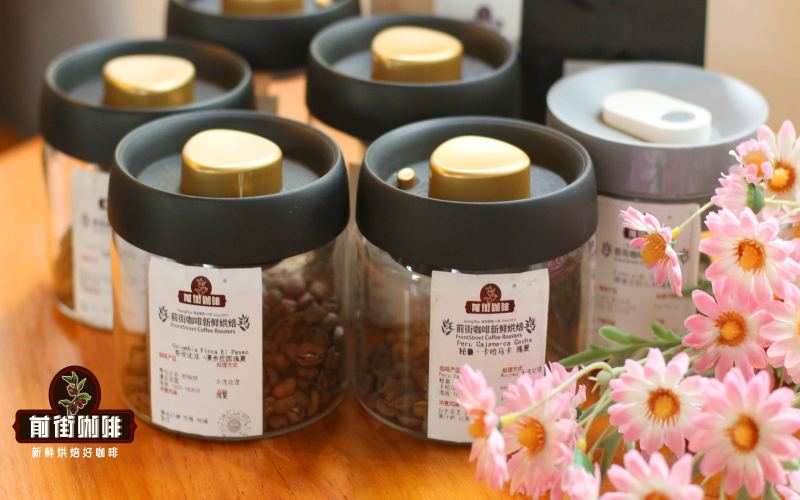
A Detailed Explanation of What Geisha SOE Espresso Means, and a Practical Guide to Extracting Espresso from Pure Geisha Beans
Geisha coffee rose to fame after the 2004 BOP competition with its intense floral aroma and citrus honey sweetness, and many enthusiasts always want to experience its versatile charm in various ways. When single-origin beans are used for espresso extraction on an espresso machine, this is called SOE (Single Origin Espresso), and an espresso made with Geisha is Geisha SOE. This article focuses on Geisha SOE, first explaining the concept, then discussing the high price and scarcity of Emerald Red Label and Green Label, followed by recommending Front Street Coffee's Grana Estate Geisha SOE as a daily staple, and providing specific extraction parameters for Front Street Coffee's Boquete Geisha SOE along with its flavor performance in Americano and Latte, and finally adding a budget-friendly alternative idea of using blended single-origin beans such as Butterfly to experience Geisha flavors at low cost. [more…]
Which origin is most famous for Geisha coffee? Can Panamanian Geisha be used to make espresso?
Geisha coffee is renowned worldwide for its delicate and elegant floral aromas and fruity acidity, and the Geisha produced at Hacienda La Esmeralda in Panama is widely recognized as the finest of all. The Geisha variety originated in Ethiopia, yet it truly shines under Panama's unique terroir conditions, with the high-altitude microclimate of the Boquete region being particularly crucial. As for whether Geisha can be used to make espresso, the answer is yes—single-origin beans made into SOE are one example—but in practice, factors such as roast level, extraction parameters, and output consistency need to be taken into account. Front Street Coffee walks coffee enthusiasts through the full picture of Geisha coffee, from variety characteristics and regional terroir to brewing methods, and shares why the shop chooses to present Geisha as pour-over rather than espresso. [more…]
Can Geisha Coffee Be Used to Make Espresso? A Guide to Panamanian Geisha SOE Flavor Analysis and Extraction Parameters
Geisha coffee has been highly sought after in recent years, but is it suitable for making espresso? Starting from the origins and flavor characteristics of the Geisha variety, this article analyzes why competitors in barista competitions favor Geisha, and offers pour-over recommendations for Front Street Coffee's Emerald Estate Green Label Geisha. At the same time, addressing the bean selection and extraction challenges of Geisha SOE, it introduces the medium-roast positioning, flavor performance, and specific espresso parameters of Front Street Coffee's Grana Geisha SOE, helping coffee enthusiasts find a balance between cost and flavor, so they can make a cup of Geisha Americano or latte with clear floral and fruity notes at home. [more…]
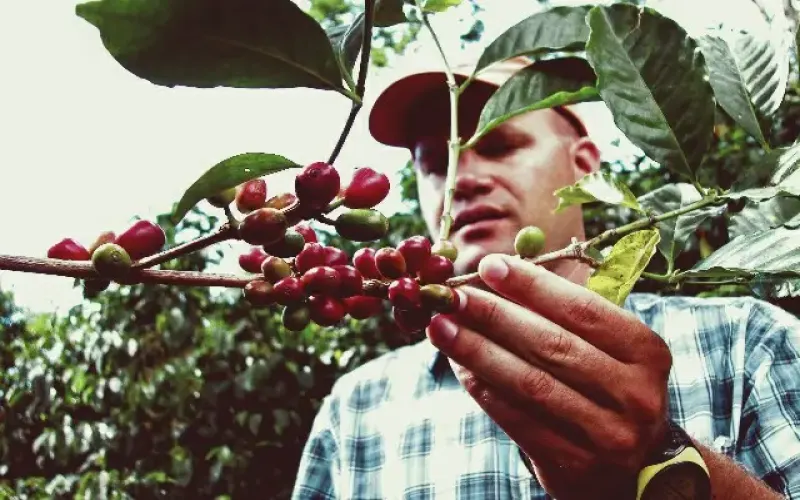
Why has Panama Geisha become a leader in specialty coffee? Can Geisha beans be used to make espresso?
Geisha coffee is widely recognized as a star variety among specialty coffees, and the Geisha produced at Hacienda La Esmeralda in Panama is the benchmark among them. Geisha originated in Ethiopia and was later introduced to Panama, where, thanks to the local unique climate and high-altitude growing conditions, it displayed delicate floral aromas and elegant fruit acidity, bursting onto the scene. So, can Geisha coffee beans be used to make espresso? Front Street Coffee gives its own answer from the perspectives of product positioning, roasting difficulty, and flavor performance. This article will take you through the origin and spread of Geisha, the terroir advantages of Panama's Boquete producing region, and why Front Street prefers to present Geisha's unique charm through pour-over. [more…]
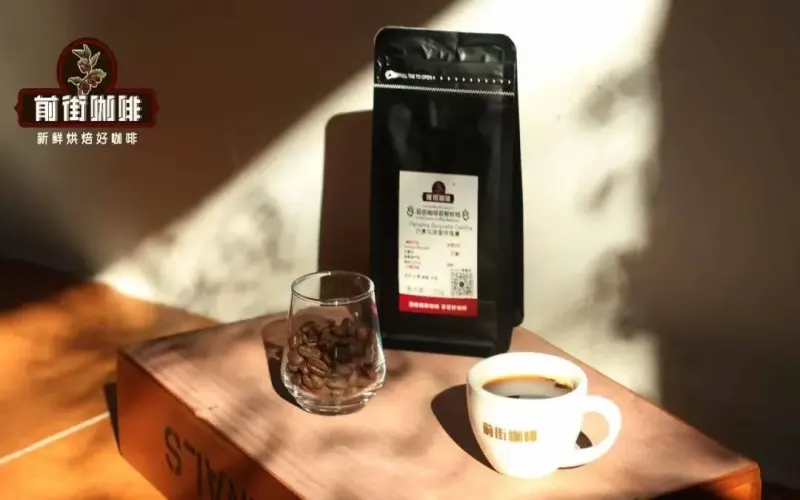
Is Geisha coffee good for espresso and iced Americano? A detailed guide to extraction parameters, coffee-to-water ratios, and latte pairing tips
Geisha coffee has become a favorite among countless coffee lovers thanks to its white floral aroma, citrus fruit notes, and fresh tea-like feel. We usually reach for a pour-over or French press to showcase its delicate flavors, but occasionally someone wants to try extracting Geisha with an espresso machine to make a latte or an Americano. So is Geisha actually suitable for espresso? The answer is: setting aside the price factor, absolutely, but you must pay attention to two key details—full extraction and ratio control. Light-to-medium roasted Geisha is denser and requires a finer grind and a longer extraction time than regular medium-dark roasted beans to avoid sharp acidity. At the same time, the ratio of coffee to milk or water also needs adjustment, so the fresh floral notes don't get diluted. Using the Costa Rica Strawberry Candy Geisha blend as an example, Front Street Coffee shares the specific parameters for Americano and latte, helping you avoid detours and easily make a delicious Geisha espresso drink. [more…]
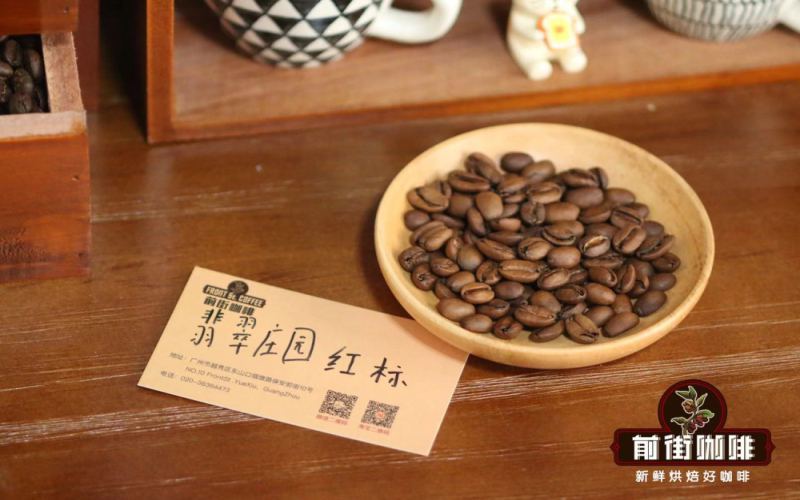
How can Geisha coffee be made to taste best? A complete analysis of whether it can be extracted as an SOE using an espresso machine.
Geisha rose to fame overnight at the 2004 BOP competition with its intense floral aroma and citrus-honey notes, becoming a favorite among many coffee enthusiasts. Many people want to use the espresso machine they have on hand to make it into an SOE and experience its distinctive flavor at high concentration, but Geisha is expensive and tends to be light-roasted, so directly applying conventional parameters often wastes beans and produces an unpleasant cup. This article addresses questions such as whether Geisha can be made as espresso, how to reduce the cost of dialing in, and how to set specific extraction plans, combining Front Street Coffee's tested workflow to provide a complete approach from using substitute beans for dialing in to the final output, helping you make a balanced cup of Geisha espresso and milk coffee at home. [more…]
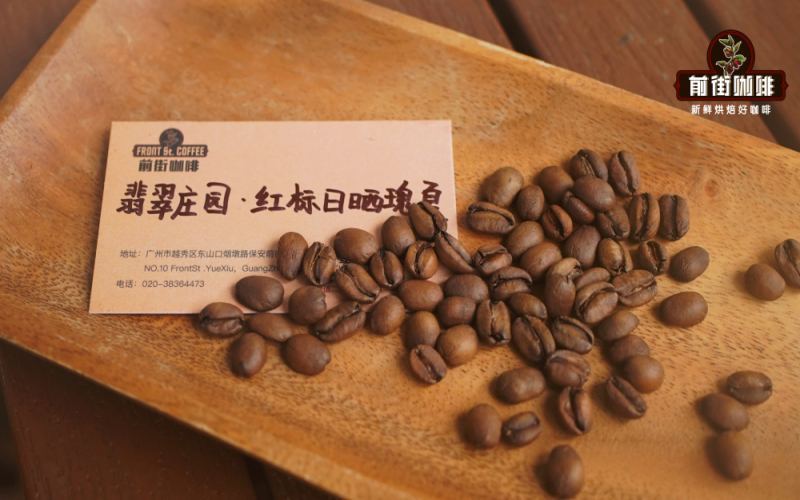
Geisha Single-Origin Espresso Guide: A Full Analysis from Variety Characteristics to Front Street Grana SOE Brewing
As a star varietal in the specialty coffee world, Geisha is often showcased through pour-over to highlight its delicate flavors, but it can also handle espresso preparation with ease. Using single-origin coffee beans for espresso extraction, known as SOE, can concentrate the bean's character, yet it also tends to magnify flaws. This article focuses on the feasibility of Geisha SOE, roast level selection, the product characteristics of Front Street Coffee's Grana Geisha, and the specific parameters and workflows for iced americano, iced latte, and hot latte, providing coffee enthusiasts with a replicable operational reference. [more…]
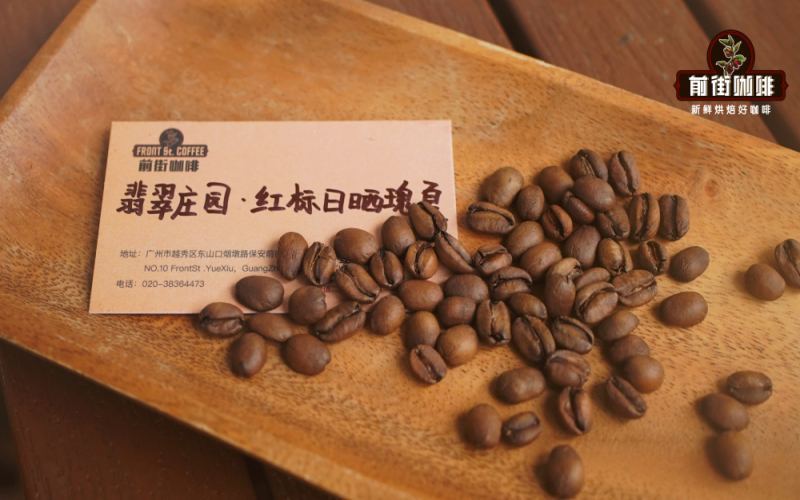
What is SOE coffee? A guide to making Geisha single-origin espresso and Americano and latte recipes
Front Street Coffee has previously shared methods for brewing pour-over with blended beans. This time, let's take a different approach and use single-origin beans to make SOE. SOE stands for Single Origin Espresso, extracting espresso from single-origin coffee beans, which better showcases the beans' inherent flavor characteristics. When it comes to the most well-known coffee varieties, Geisha is undoubtedly at the top of the list. If Geisha were used to make espresso, what kind of taste experience would it present? This article will focus on the bean selection approach for Geisha SOE, roasting degree requirements, and specific extraction steps, along with ratio plans for Americano and Latte, guiding you to fully master the essentials of crafting this exquisite single-origin espresso. [more…]
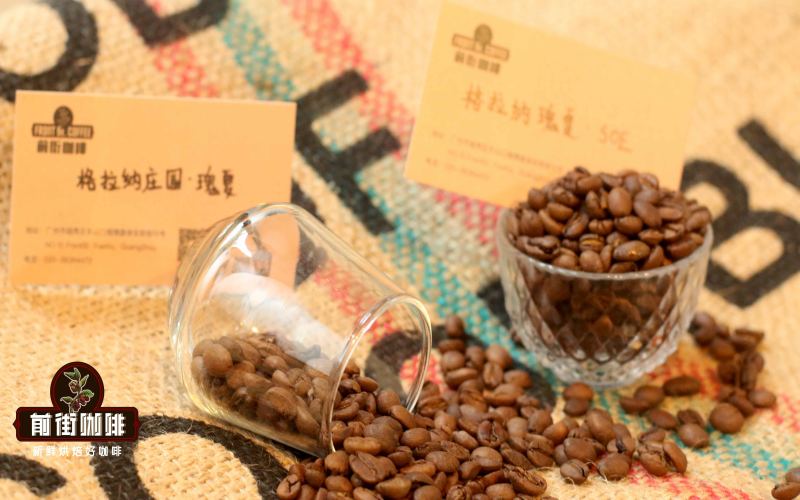
Yirgacheffe SOE Espresso Flavor Analysis: Front Street Grana Native Geisha and Espresso Serving Guide
Is coffee made from Ethiopian Yirgacheffe beans as an SOE espresso actually good? Starting with Front Street Coffee's Grana Estate native Geisha, this article introduces this Ethiopian native Geisha that Israel Degefa began researching in 2014, how its flavor differs from Panama Geisha, and why it has gained attention for its high cost-performance. We'll also discuss its specific performance when made into Americano and milk coffee, plus practical knowledge about espresso serving sizes, helping you craft a richly layered SOE at home. [more…]
What Is Geisha SOE? A Flavor Analysis of Single-Origin Espresso from Panama to Ethiopia
Geisha coffee, often called "藝伎" (the geisha), is world-famous for its signature floral aroma and citrus notes, and is a frequent champion in major cupping competitions. The Red Label and Green Label Geisha from Panama's Hacienda La Esmeralda are considered classics, but their high price makes them hard to enjoy as an everyday coffee. For this reason, Front Street Coffee has brought in a Geisha from Ethiopia's Grana estate: the natural-process, medium-light roast shows layers of mango, dried apricot, and black-tea-like sweet-tartness; while the medium roast retains the floral and apricot flavors while intensifying the caramel notes, making it very suitable for brewing Geisha SOE. This article will walk you through the flavor characteristics of Geisha SOE and break down in detail everything from the extraction parameters for Front Street Coffee's Grana Geisha SOE to the full process of making Americano and Latte. [more…]

Why Is Geisha in Espresso Gradually Becoming a Trend? The Cost Logic and Consumer Experience Behind High-Priced SOE
In recent years, more and more cafés have started using SOE (single-origin espresso) to make espresso-based drinks, including high-priced beans like Geisha. Some consumers were shocked by menu prices while traveling in Tianjin, and some netizens complained about a dine-in experience of just over 200 milliliters for 38 yuan. Is a Geisha Americano reasonable? Behind high-priced SOE is a comprehensive consideration of bean costs, extraction difficulty, and customer base matching. Starting from real consumer feedback, this article analyzes the pricing logic, flavor performance, and market status of Geisha espresso, and reminds enthusiasts: finding the coffee that suits you is most important. Front Street Coffee will also provide related product references in this article. [more…]
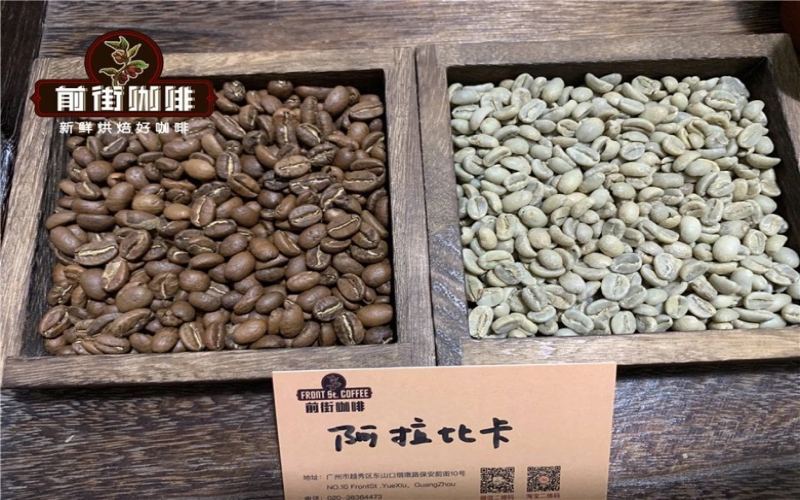
Arabica Varieties and Espresso: The Espresso Performance of Typica, SL28, and Geisha
Arabica is a large family with many varieties under its umbrella—Typica, SL28, Geisha, Caturra, and others, each with its own temperament. When making espresso, variety differences are directly reflected in the cup. Understanding how a few representative varieties perform in espresso gives you one more dimension when choosing beans. Typica is one of the ancient [more…]
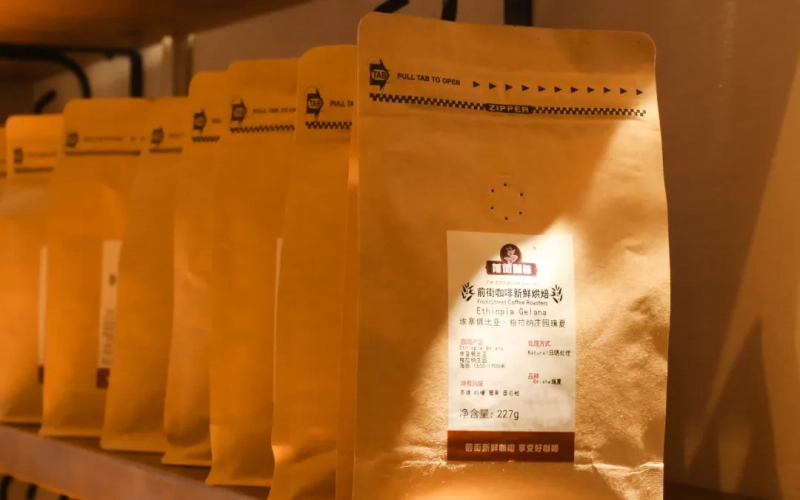
Front Street Ethiopia Guji Grana Geisha Coffee Brewing Parameters and Complete Guide to Espresso Milk Coffee
The sun-dried Geisha from Ethiopia's Grana estate, after Front Street Coffee's medium-light roast, presents fruit notes of apricot, berries, and guava, with a crisp green tea finish. The high-altitude growing environment and lighter roast give this bean higher density, meaning a high-extraction-efficiency approach is needed when brewing. This article will fully share Front Street Coffee's Grana Geisha pour-over parameters and operating steps, and further explore the extraction approach and specific ratios when using it to make espresso-based drinks such as Americano, Latte, and Dirty. Whether you prefer black coffee or milk coffee, you can find a reference brewing framework and adjustment direction from it. [more…]
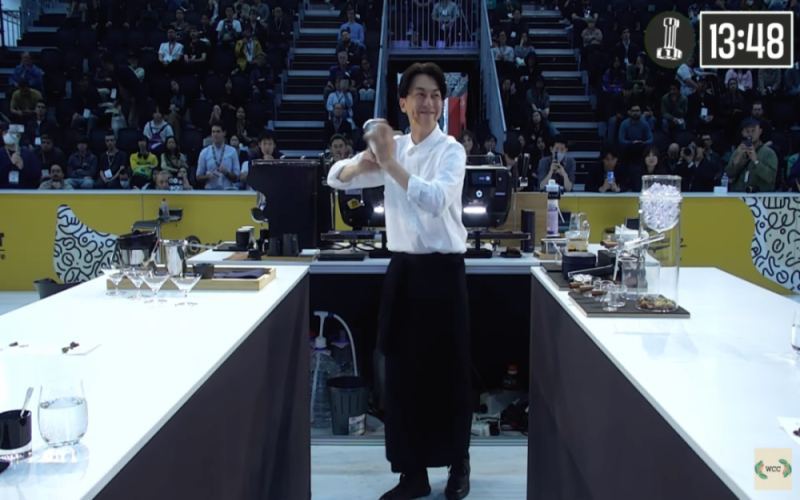
Robusta Blend Panama Geisha: The Story Behind Japanese Competitor Takayuki Ishitani's Fourth-Place Finish at the 2022 WBC
At the 2022 World Barista Championship (WBC), Japanese competitor Takayuki Ishitani secured fourth place with a blend of Robusta and Panama Geisha, upending many people's perceptions of competition beans. For the three segments—espresso, milk coffee, and signature drink—he adjusted the ratio of Robusta to Geisha separately, using high-altitude Robusta to enhance body and sweetness while preserving Geisha's delicate flavors. This quiet and sincere competition not only showcased the ingenuity of blending but also sparked discussions about the value of Robusta, the essence of competition, and the overall competence of baristas. This article presents his complete competition plan and philosophy, while retaining relevant recommendations from Front Street Coffee. [more…]
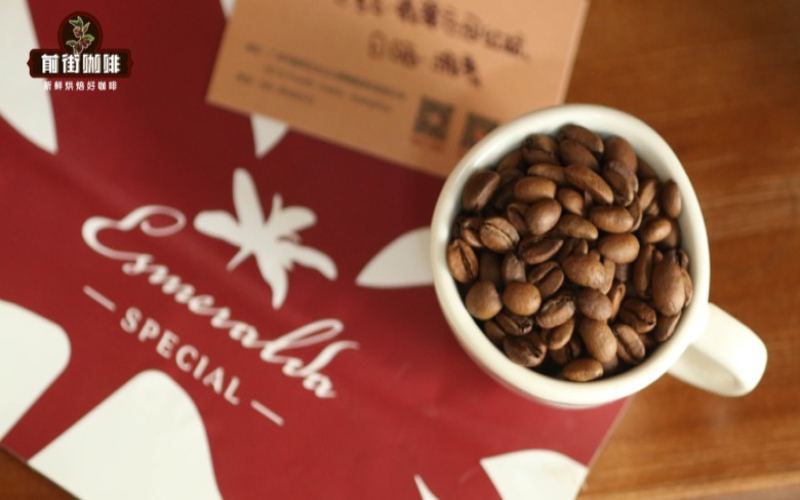
The Arabica Variety Map: Espresso Performance of Typica, SL28, and Geisha
Arabica is not a single variety, but a vast family. Different varieties perform noticeably differently in espresso, and understanding a few representative varieties makes drinking SOE more interesting. Typica is one of the oldest varieties within Arabica, with a clean, bright flavor and delicate sweetness, and is the flagship variety of many classic producing regions. [more…]

The Origin and Naming of Huakui Coffee Beans, and Whether They Can Be Used to Make Lattes and Americanos
Huakui coffee beans are an Ethiopian natural bean that has attracted considerable attention in the specialty coffee scene in recent years, produced in Hambela in the Guji zone of Sidama. It once helped Li Jianfei win the China region of the 2017 World Brewers Cup, breaking the long-standing dominance of Geisha in the spotlight. This article will sort out the naming origins, producing region background, and natural processing method of Huakui coffee, explain the differences between its various versions, and answer in detail whether Huakui coffee beans can be used to make espresso, Americano, and latte, along with the corresponding extraction parameters and flavor performance, to help coffee enthusiasts gain a comprehensive understanding of this bean. [more…]
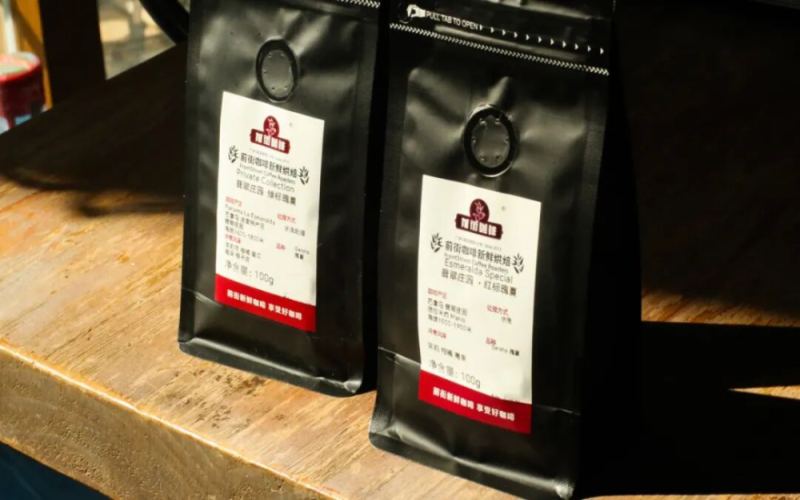
Geisha Coffee Origin Flavor Analysis and Brewing Guide: Specialty Bean Recommendations from Panama to Ethiopia
Gesha coffee, with its delicate floral aroma and rich fruit notes, has become a favorite among many coffee lovers. This article starts from the places of origin, sorting out the flavor differences between the two representative Geshas of Panama and Ethiopia, and offers specific purchasing options for different grades: from entry-level Grana Gesha, to estate-level Gesha Village Gold Label and Red Label, and to medium-roast beans suitable for making SOE, all are covered. It also introduces two extraction approaches, pour-over and espresso, helping readers find a suitable Gesha coffee based on their own stage and taste preferences, and experience this variety's unique charm in aroma, acidity, and sweet aftertaste. [more…]
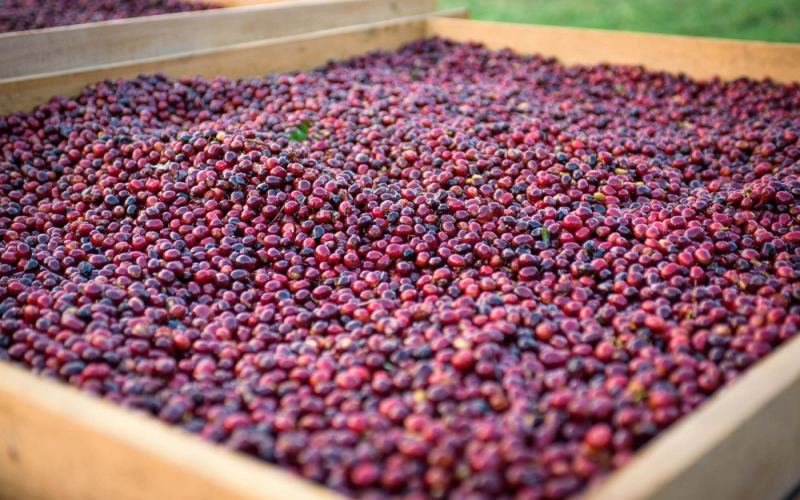
The Complete Guide to Panamanian Geisha Pour-Over: Flavor Analysis and Brewing Parameters of Hacienda La Esmeralda Red Label
Geisha coffee is hailed as the shining pearl of the specialty coffee world, and the Red Label Geisha from Hacienda La Esmeralda in Panama is the finest among them. From the perspective of Front Street Coffee, this article takes you through Geisha's legendary journey from Ethiopia to fame in Panama, offers an in-depth analysis of Hacienda La Esmeralda's unique terroir, and shares in detail the pour-over parameters, brewing techniques, and flavor profile of Red Label Geisha. In addition, it includes a recipe for Geisha Americano and practical tips for grinding and storing coffee beans, helping you fully unlock the captivating layers of this precious bean at home. [more…]
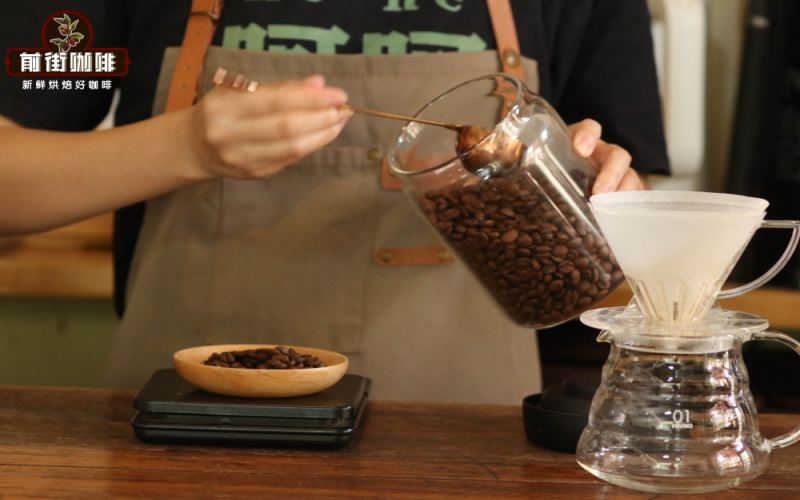
Medium-Roast Coffee Beans for Home Espresso Machines | Can Medium-Roast Beans Make Espresso? Which Single-Origin Beans Suit Espresso Machines?
For more specialty coffee knowledge, please follow: Front Street Coffee (Frontsteet Coffee) Is making pour-over coffee too tedious and troublesome? Then is there a convenient way to enjoy coffee similar to pour-over? Of course there is—Front Street recommends using an American-style drip coffee maker. Many people, upon hearing about Ame [more…]
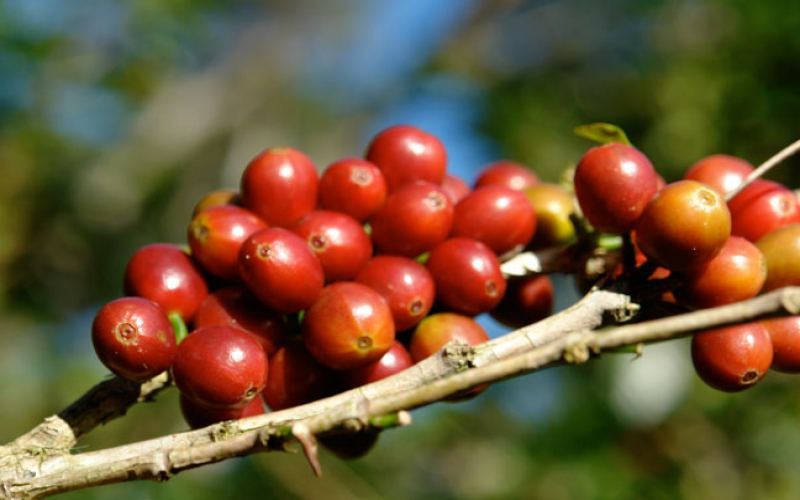
A Complete Guide to Geisha Coffee: Floral and Fruity Aromas, Grinding Tips, and a Summary of Famous Regions and Variety Characteristics
Geisha coffee, with its captivating floral and fruity aromas and high price tag, has become a hall-of-fame single-origin coffee in the hearts of many coffee enthusiasts. This article organizes the varietal characteristics, flavor descriptions, grind size recommendations, and main producing regions of Geisha, with a focus on introducing the grading systems and signature products of Panama's Hacienda La Esmeralda and Ethiopia's Gesha Village. It also combines specific recommendations from Front Street Coffee such as Red Label, Green Label, and Gold Label to help beginners find the cup that suits them. In addition, the article mentions the flavor changes of Front Street Coffee's Granja Estate Geisha under natural processing, as well as its suitable applications for pour-over, cold brew, and espresso, serving as a reference for everyday purchasing and brewing. [more…]